Clearing out clutter from your home or property brings a sense of accomplishment and creates usable space. However, the physical act of gathering and removing these items presents various risks. Following key safety protocols prevents accidents and ensures the process remains efficient and positive.
This guide provides essential tips for a secure clean-out, whether you handle it yourself or hire a service to collect my junk Blue Water Island.
Wear Appropriate Protective Gear:
Your first line of defense is proper attire. Sturdy, closed-toe shoes with slip-resistant soles protect your feet from heavy objects and sharp edges. Always wear heavy-duty work gloves to shield your hands from cuts, splinters, and contaminated surfaces. For tasks that generate dust or involve debris, safety glasses prevent eye injuries. Long sleeves and pants add a layer of protection for your skin.
Lift Objects Correctly:
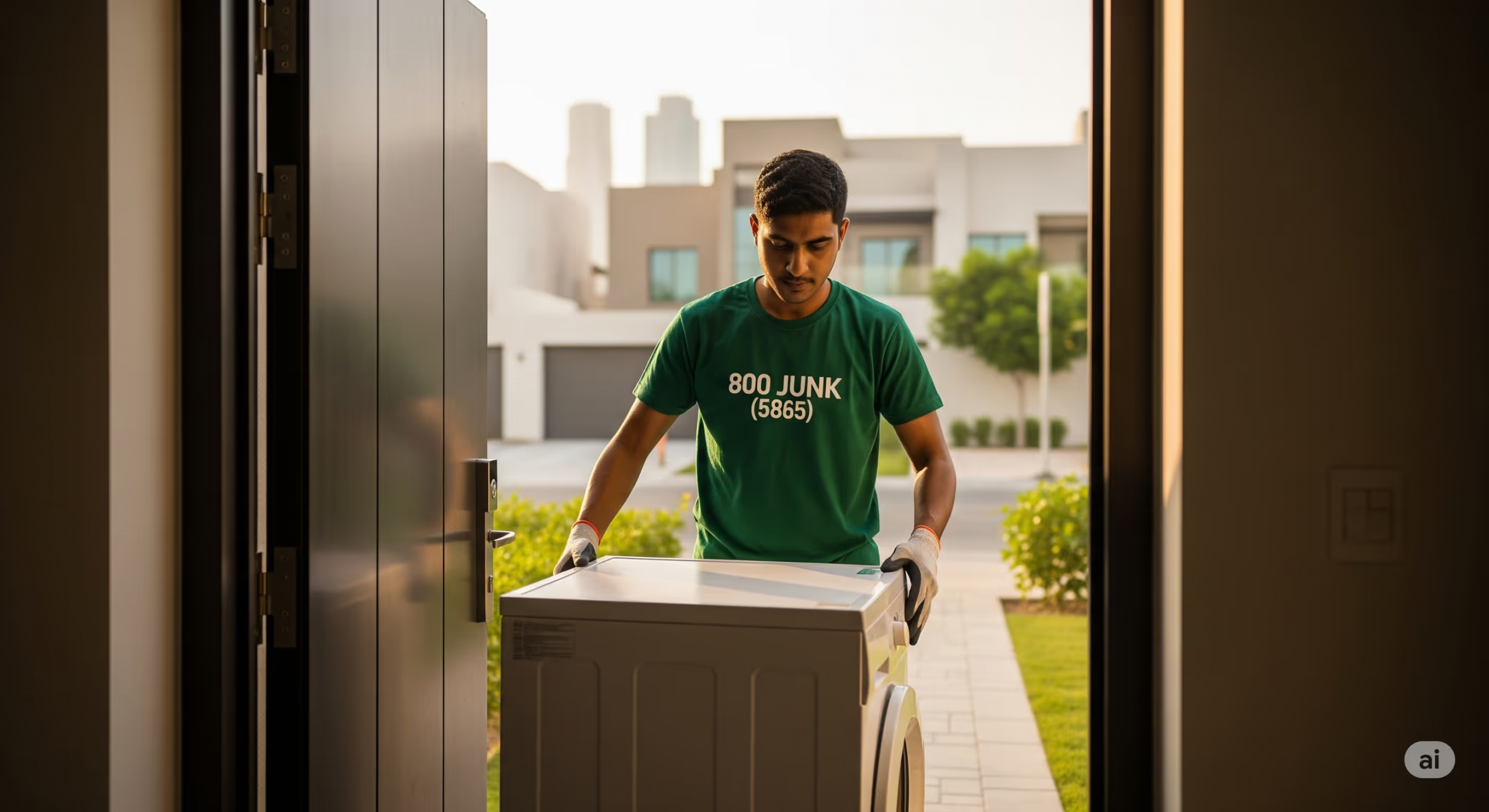
Back injuries are a common hazard during junk removal. Use proper lifting technique to avoid strain. Position yourself close to the item, keep your back straight, and bend at your knees. Engage your core leg muscles to lift, not your back. Hold the load close to your body. For heavy or bulky objects, always ask for help. Use moving straps, a dolly, or a hand truck to manage weight and reduce physical stress.
Sort and Identify Hazardous Materials:
Not all waste belongs in a standard trash pile. Identify and separate hazardous materials for special disposal. Common household hazards include paint cans, solvents, batteries, fluorescent light bulbs, and old chemicals. Electronics often contain toxic components. Check local regulations for disposal guidelines. Keeping these items separate prevents environmental harm and protects you from exposure.
Secure Loads During Transport:
If you transport junk yourself, secure your vehicle load properly. Loose items can shift or fall, creating road hazards. Use strong rope, bungee cords, or cargo nets to tie down materials. Cover the load with a tarp to stop light debris from flying out. Avoid overloading your vehicle, as this affects handling and braking. Make multiple trips if necessary to maintain safety on the road.
Be Aware of Your Surroundings:
Maintain clear awareness during the clean-out. Watch for tripping hazards like loose cords, uneven flooring, or scattered debris. Keep your work area organized and pathways clear. When carrying large items, ensure you have a clear line of sight. Be mindful of others helping you, communicating movements clearly to prevent collisions.